Local refund point
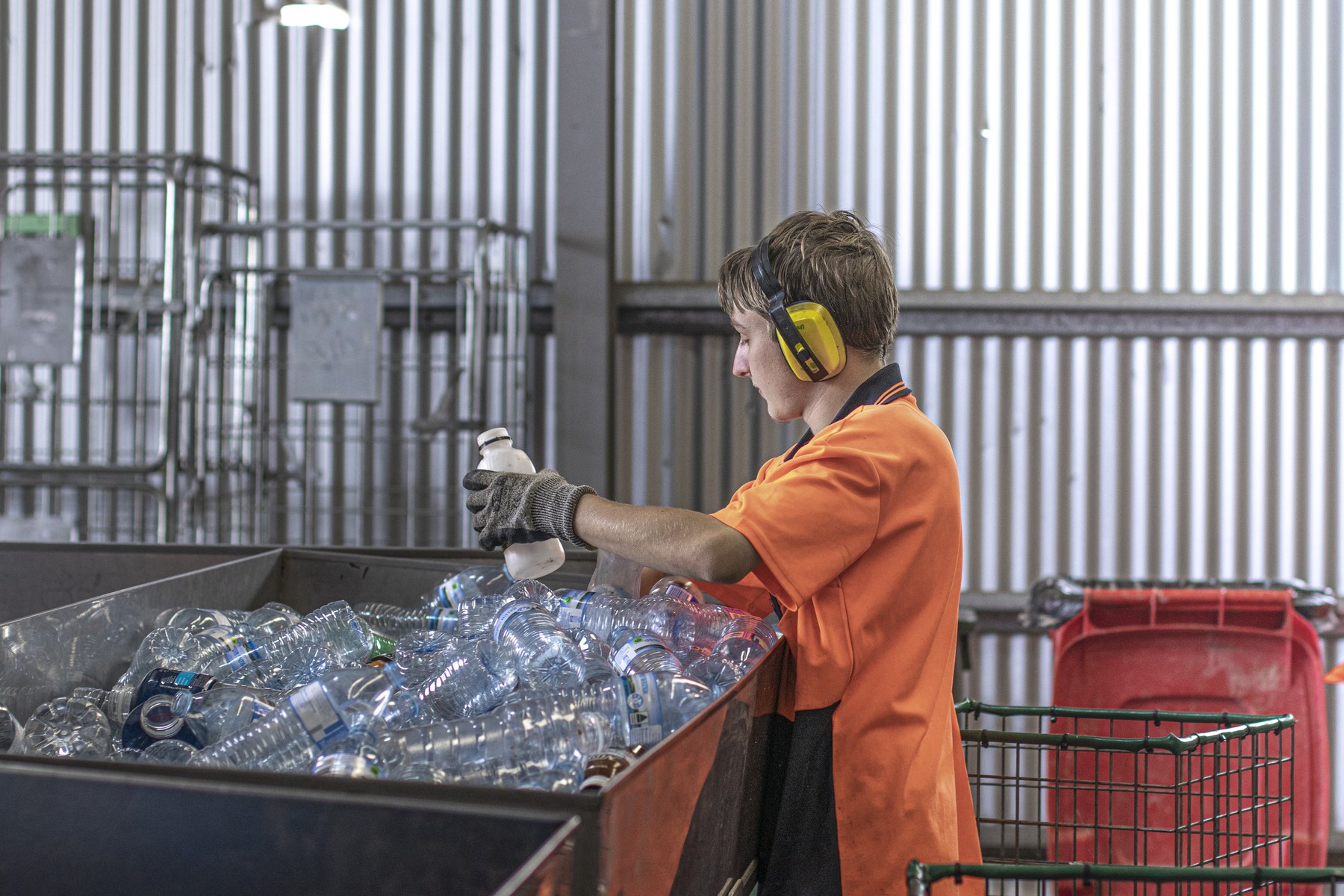
Sandgate manages the local return, counting and refund stage.
Containers for Change
Once your containers are counted and your refund is processed, they continue through the Containers for Change network for sorting, processing and recycling. Different materials follow different recovery pathways before becoming new bottles, cans, building products and other useful materials.
Sandgate manages the local return, counting and refund stage.
Containers are sorted by material so they can move into the right pathway.
Downstream processing occurs through accredited participants.
Recovered material can become bottles, cans, building products and more.
Container journey
Sandgate Bottle & Can Exchange handles the local refund-point stage. After that, materials continue through the wider Containers for Change network and accredited recovery participants.
Customers return eligible containers through the depot, Bag Drop, school, fundraising or commercial pathways.
Returns are counted and recorded so refunds can be paid through the correct pathway.
Material streams are kept apart so glass, metals, plastics and cartons can move into suitable recovery pathways.
The wider Containers for Change network moves collected material from refund points into processing pathways.
Processors prepare recovered material so it can be handled efficiently by accredited recyclers and end markets.
Recovered material can become new containers, packaging, construction products and other useful materials.
Sandgate does not track or choose every downstream destination. The journey after collection is handled through the wider scheme network.
Material explorer
Select a material to see reported recovery rates, container examples, recycler locations and the products recovered material can become.
Recovery rates and recycler locations are scheme-level figures supplied through Containers for Change. They describe broader material pathways and do not mean every individual container returned at Sandgate follows the same route or destination.
Glass can be recycled repeatedly. Depending on quality and market requirements, recovered glass may return to bottle manufacturing or be used in construction and insulation products.
88%
Queensland
Aluminium is a valuable and highly recyclable material. Recovered cans can be remanufactured into new cans or used in a range of industrial and consumer products.
69.1%
Korea, India, Malaysia
PET is commonly used for water and soft drink bottles. Clean PET can be processed into new beverage containers and other recycled plastic products.
57.1%
Australia
Liquid paperboard is made from several bonded materials. Specialist processing separates or recovers usable paper and plastic components.
25.7%
Australia, Spain
HDPE is a durable plastic that can be recycled into new containers and many rigid plastic products.
78.7%
Australia
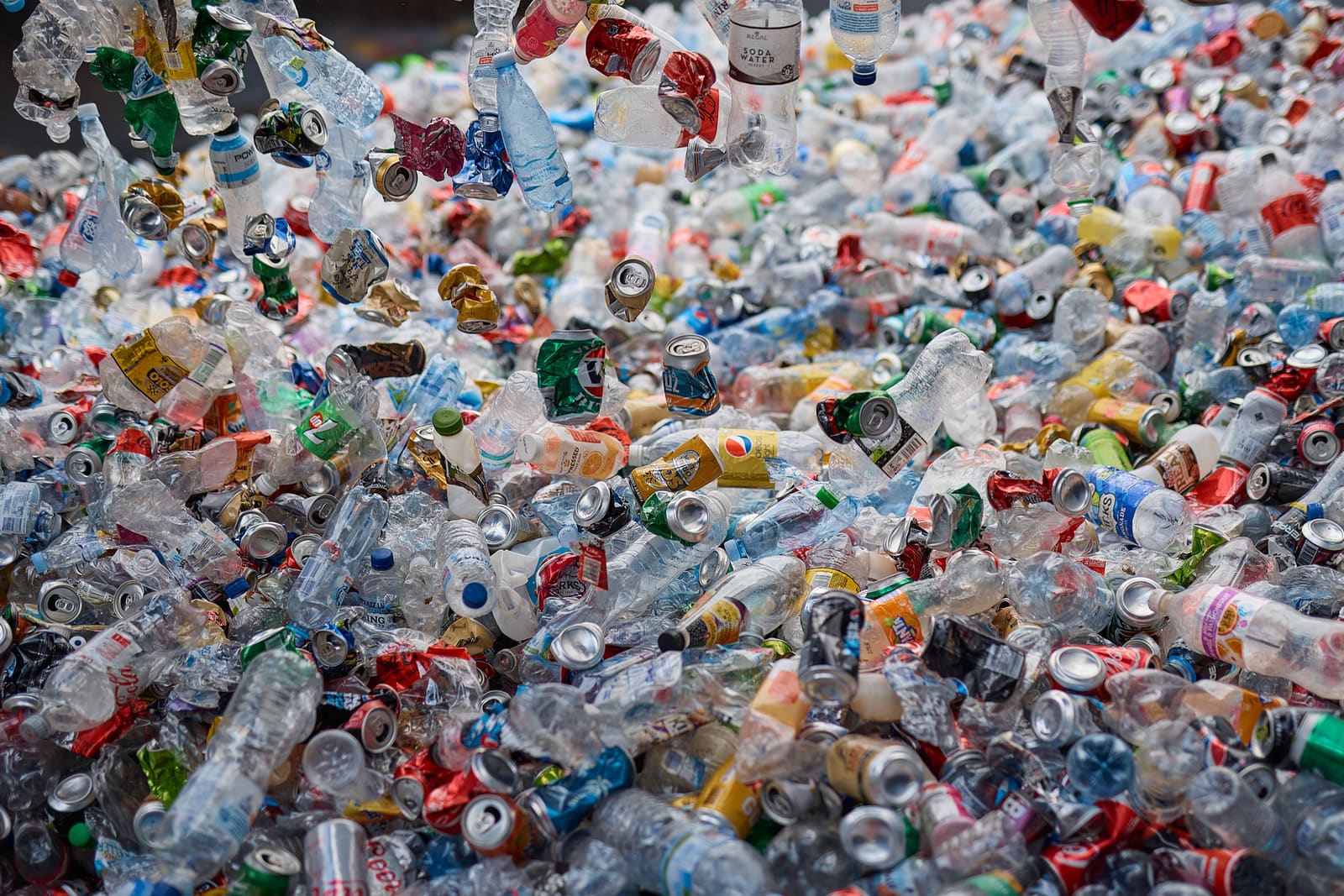
Steel is separated magnetically and can be reused in new cans, utensils and construction products.
34.1%
Australia, Korea, India, Japan
Why separation matters
Different materials need different processing. Separating eligible containers helps more material stay in recovery pathways and keeps rubbish from reducing the value of recyclable streams.
Glass, metal, plastic and liquid paperboard are recovered through different processes.
Cleaner streams are easier to process and more useful for recycling markets.
Keeping rubbish out of collection bins helps protect recoverable material.
Sandgate's role
Sandgate Bottle & Can Exchange helps customers return eligible containers locally, then prepares collected materials to continue through the Containers for Change recovery network.
Recycling outcomes
The recovered material can return to container manufacturing, but it can also become other useful products depending on quality, processing and market needs.
May become new bottles, road base or insulation.
May become cans, vehicle parts, building products, kitchen foil or takeaway packaging.
May become bins, furniture, manufacturing equipment, construction material or other bottles.
May become cans, utensils or construction materials.
Recovery rates
Reported recovery rates vary because material streams are not all the same. These figures are useful as scheme-level context, but they are not the same as an overall return rate.
Clean, well-separated material is generally more useful than contaminated material.
Different container types and material mixes need different handling.
Demand and available processing infrastructure can vary by material.
Liquid paperboard contains multiple bonded layers, so recovery is more specialised.
Short answers about Sandgate's local role, material recovery and scheme-level recycler pathways.
Return eligible containers through Sandgate Bottle & Can Exchange and help valuable materials move into approved recovery and recycling pathways.