
Warehouse container collections
Simple collections for busy warehouses
Staff drink containers can add up across shifts, break rooms and driver amenities. We'll help set up a collection routine that stays separate from warehouse waste and fits your site's normal traffic and loading activity.
What your warehouse receives
A simple service around shifts and loading
Keep staff drink containers separate from packaging, stock and operational waste.
Full 10c refund
Warehouses with an ABN or ACN, and registered charities, receive the full 10c for every eligible container.
Free bins and pickup
We recommend bins for lunchrooms and safe storage. Agreed ongoing bins and pickup are free for approved partners.
Message at around 90%
Contact us when the bins are around 90% full. Regular servicing is considered later using actual shift and fill-rate history.
Safe vehicle access
Tell us about gates, inductions, forklift zones, loading activity and the nominated collection contact.
A practical staff stream
Keep the collection close to break areas
This service is for eligible staff drink containers, not pallet wrap, damaged stock or general warehouse packaging. Keeping that boundary clear makes the routine easier for every shift.
Warehouse teams
Use collection points in the break and hydration areas they already visit.
Shift supervisors
Keep the routine consistent and flag problems between shifts.
Safety or operations
Approve point placement and the route to storage.
Gatehouse or loading team
Manage visitor access and the final collection location.
Where to collect
Focus on staff drinks, not warehouse materials
A few controlled points in staff areas are usually clearer than bins spread through operational zones.
Lunchrooms
A visible point beside existing waste stations can capture meal-break containers.
Hydration areas
Choose locations that do not interfere with pedestrian or equipment movement.
Driver amenities
Include them only when the site can check and move the material.
Head office
An attached office may share the final collection while keeping its own internal points.
How it can work
Fit collections around shifts and loading
The site stays in control of bin placement and internal movement. We collect from the safe point agreed with operations.
-
Choose safe staff points
Keep bins in amenities and away from forklift or vehicle routes.
-
Cover every shift
Give day and night teams the same clear instruction.
-
Move to secure storage
Your team brings suitable containers to the approved holding area.
-
Arrange gate access
Confirm arrival instructions, the site contact and the pickup location.
Real-world result
What one warehouse and office site returned
In under six months of recorded collections, one combined warehouse and head-office site returned 1,940 eligible drink containers, representing $194.00 in recorded refunds.
Recorded period: 3 March 2026 to 30 August 2026
Actual recorded returns for one participating account during the stated period. Collection dates may include containers accumulated earlier. Results vary with eligible container volume, site activity and collection arrangements; these examples are not sector averages or forecasts.
Keep streams separate
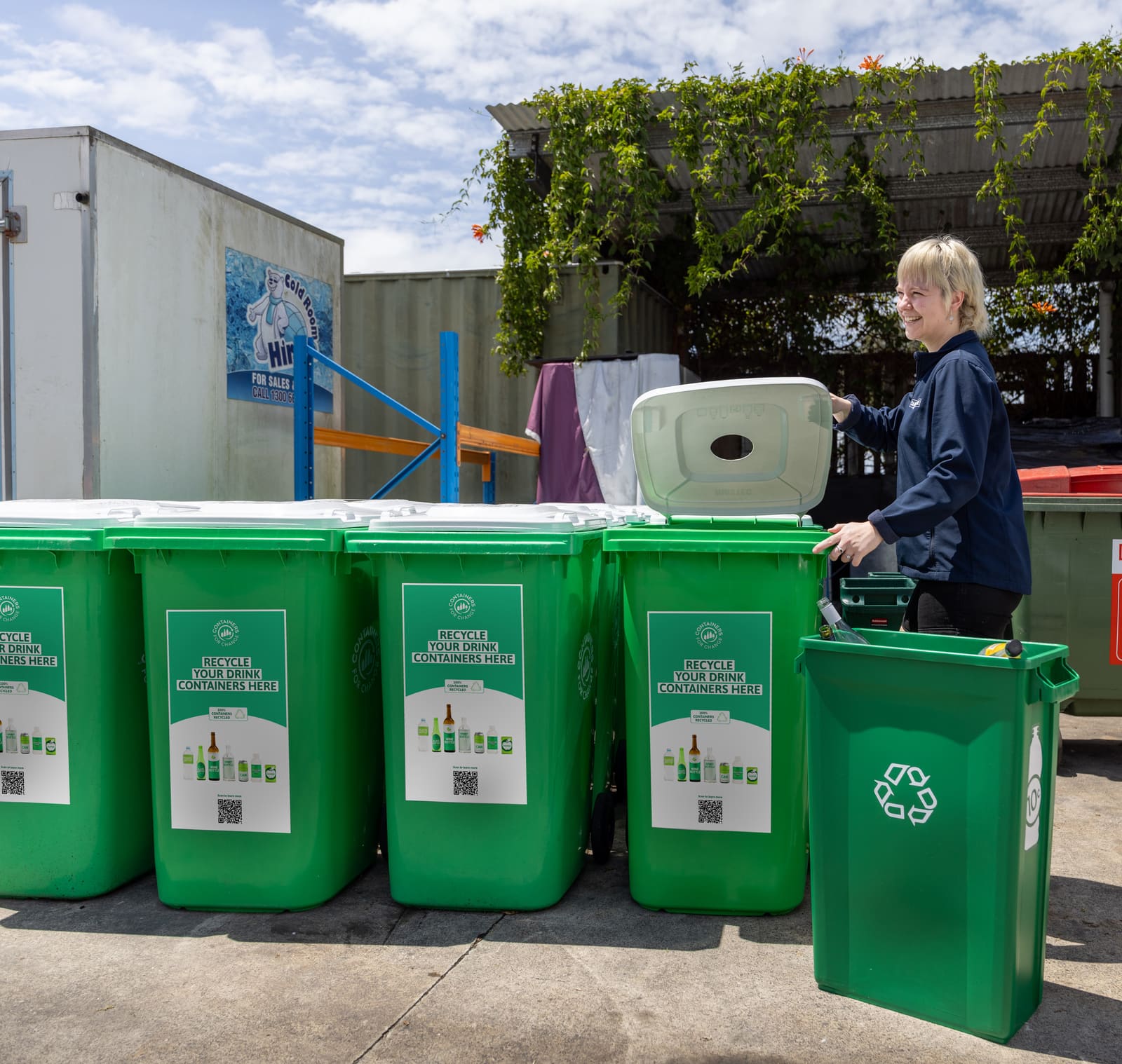
Drink containers only
The collection should never become another outlet for warehouse packaging or operational waste.
Put these in
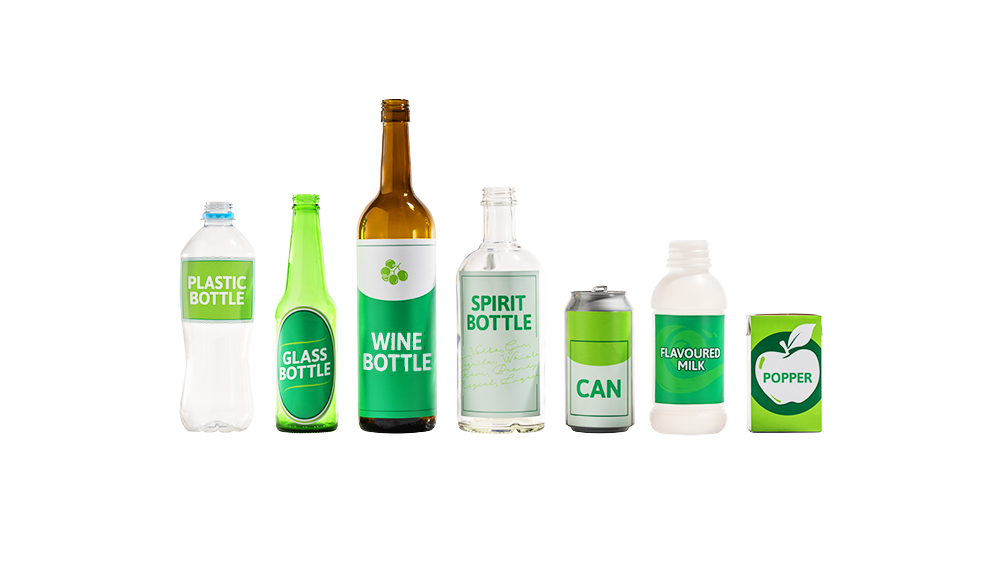
Empty, eligible cans, plastic and glass drink bottles, and cartons showing the Queensland 10c refund mark.
Check the detailed eligibility guide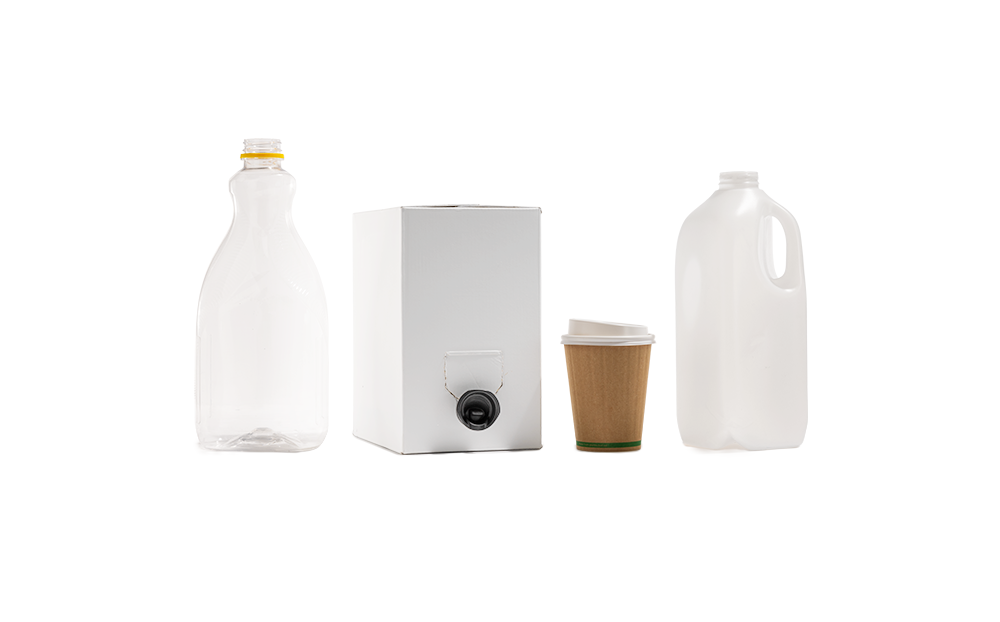
Keep these out
Pallet wrap, strapping, cardboard, damaged stock, chemicals, workshop waste, general rubbish and non-eligible packaging.
Use staff-area signs
Make it obvious that the point is for drinks used by staff and visitors.
Protect traffic routes
Do not place or move bins through active forklift and loading paths without site approval.
Check before storage
Remove obvious warehouse materials before the stream reaches the collection area.
Keep the area accessible
Store containers so they do not block doors, pedestrian routes or operational space.
Your warehouse setup
Base the service on real shift volume
We'll discuss staff numbers, shift patterns, storage and gate access before confirming bins, timing, refunds or reporting.
Shift coverage
Include night and weekend patterns so no team is left with an unclear routine.
Storage capacity
Match the setup to the space available between collections.
Refunds
Agree whether the recorded value supports the business, staff or an approved cause.
Site changes
Update us when access, gatehouse instructions or loading arrangements change.
Questions about warehouse collections
Straight answers to common questions about setting up collections at a site like yours.
What do approved commercial collection partners receive?
How do we start, and who chooses the bins?
When will our containers be collected?
What if we already have a stockpile of eligible containers?
Can night-shift containers be included?
Where should collection bins go?
How do collections work around loading areas?
Can warehouse packaging go in the bins?
Does this result represent a warehouse-only stream?
Next step
Let's make collections fit your shifts
Tell us where staff take breaks, how containers can reach safe storage and how collection vehicles enter the site.