
Apartment community collections
Collections for apartment communities
A shared collection point can make it easier for residents to return 10c containers. We'll help the committee and building team plan resident guidance, common-property storage and collection access.
What your building receives
A clear common-property collection setup
Give residents one simple message and the building team a secure, workable collection point.
Full 10c refund
Qualifying entities with an ABN or ACN, and registered charities, receive the full 10c for every eligible container.
Free bins and pickup
We recommend bins for approved common property. Agreed ongoing bins and pickup are free for approved commercial partners.
Message at around 90%
The nominated building contact messages us at around 90% full. Regular servicing is considered after actual resident volumes are known.
Confirm building access
Share committee approval, caretaker roles, gate or basement details, parking limits and the agreed refund pathway.
Shared building roles
Make approval and daily care clear
The committee may approve the program, but an onsite person usually needs to keep the shared area workable.
Committee or authorised body
Approves the location, refund purpose and overall arrangement.
Building or onsite manager
Coordinates access, resident communication and day-to-day issues.
Caretaker
May check and move containers where that task is agreed.
Residents
Use the point correctly when the location and signs are easy to understand.
Around the building
Choose one understandable resident point
A well-managed common point is often easier than several loosely supervised locations.
Bin rooms
Keep the 10c stream visibly separate from general waste and kerbside recycling.
Basement or service areas
Check security, fire egress, vehicle movement and resident access.
Common rooms
Events may feed into the same point if somebody manages pack-down.
Mixed-use buildings
Keep resident and commercial responsibilities clear where uses share facilities.
How it can work
One shared point, one building routine
Residents use the approved point. The building team keeps it tidy and makes the collection area accessible.
-
Approve the location
Choose common property that is suitable, secure and easy to explain.
-
Tell residents
Share a short instruction covering accepted containers and the program purpose.
-
Check the shared area
The nominated building role removes obvious rubbish and manages overflow.
-
Provide collection access
Confirm keys, gates, parking and the person available when needed.
Real-world result
What one apartment complex returned
In under eight months of recorded collections, one residential apartment complex returned 4,044 eligible drink containers, representing $404.40 in recorded refunds.
Recorded period: 1 January 2026 to 30 August 2026
Actual recorded returns for one participating account during the stated period. Collection dates may include containers accumulated earlier. Results vary with eligible container volume, site activity and collection arrangements; these examples are not sector averages or forecasts.
Resident guidance
Keep the point from becoming general recycling
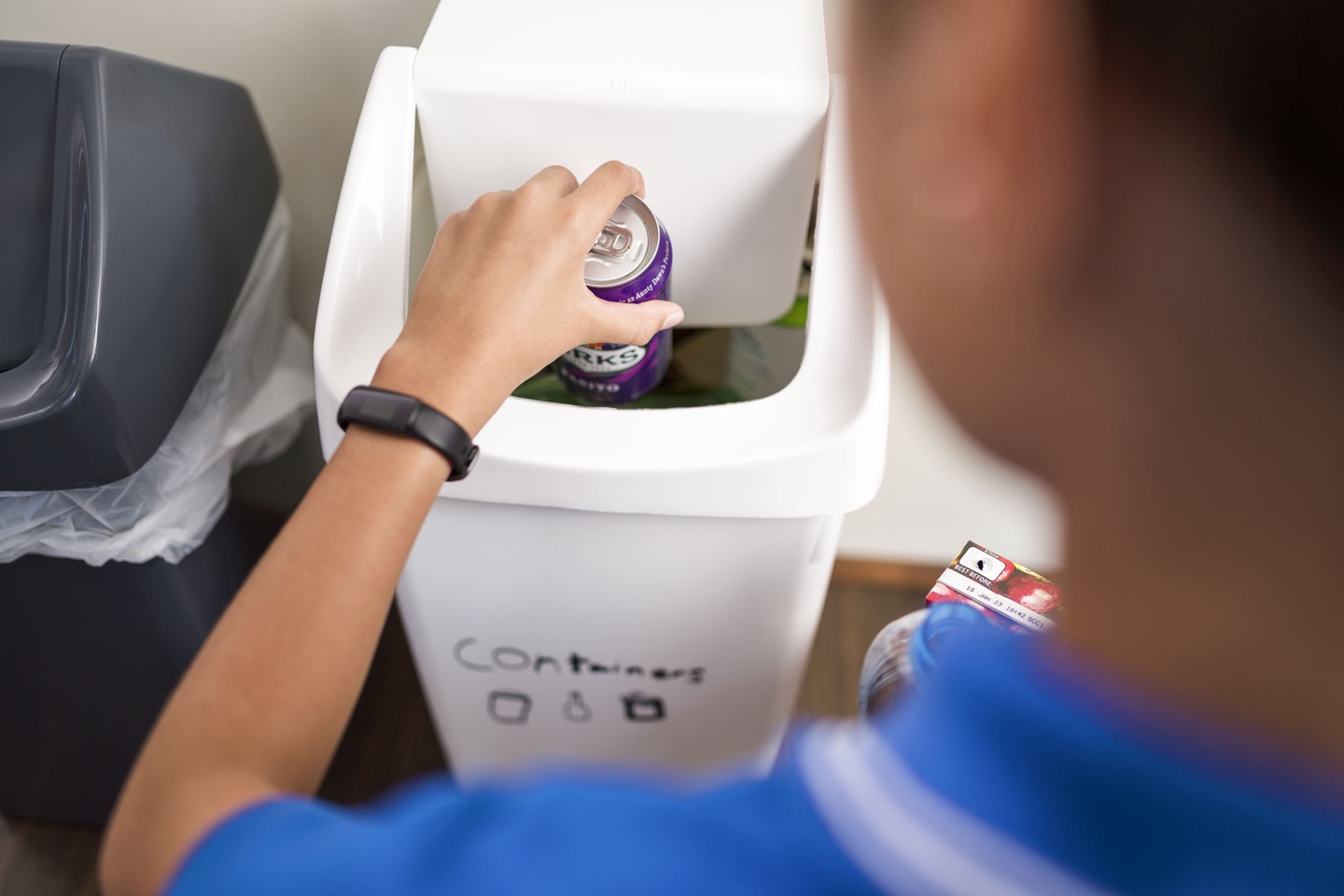
The bin location and signs should make it clear that this is a 10c drink-container collection.

Put these in
Empty, eligible cans, plastic and glass drink bottles, and cartons displaying the Queensland 10c refund mark.
Check the detailed eligibility guide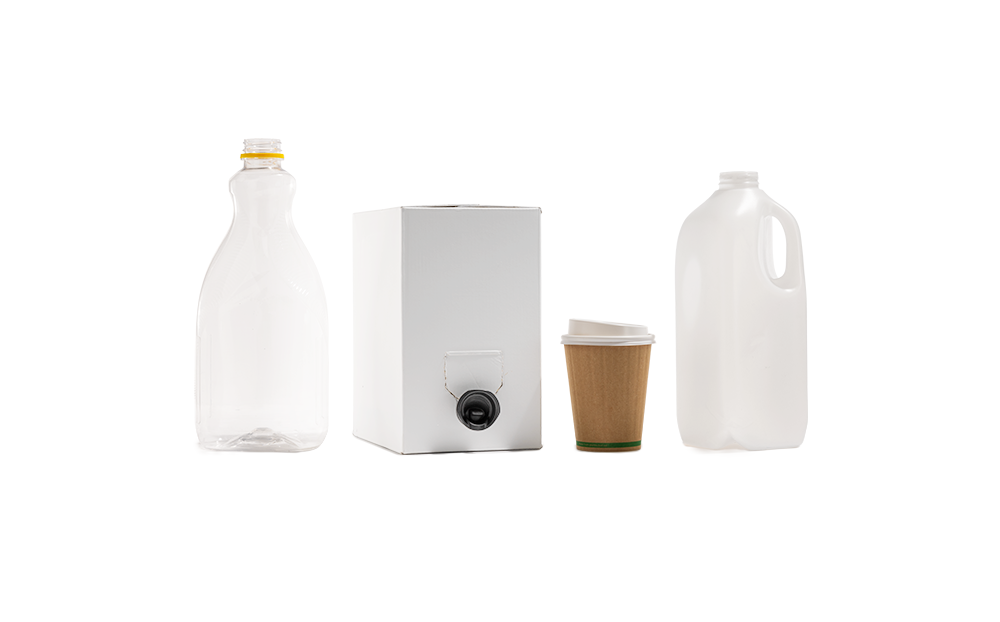
Keep these out
Household rubbish, food, coffee cups, jars, wine and spirit bottles, broken glass, cardboard and general recycling.
Use clear building signs
Show what belongs in the point and where other recycling should go.
Keep the area tidy
A nominated person should respond before loose bags or rubbish build up.
Protect access
Do not block fire exits, parking bays, waste equipment or pedestrian routes.
Update residents
Repeat the instruction when new residents arrive or the location changes.
Your building setup
Record the decisions residents rely on
The authorised building body should approve the location, daily responsibility, collection access and refund use before launch.
Building approval
Follow the body corporate's own decision-making and property rules.
Caretaker role
Confirm any checking, movement or access duties with the relevant provider.
Refunds
Agree how recorded refund value is directed without making assumptions about the recipient.
Access changes
Keep contact and gate details current when managers, keys or systems change.
Questions about apartment collections
Straight answers to common questions about setting up collections at a site like yours.
What do approved commercial collection partners receive?
How do we start, and who chooses the bins?
When will our containers be collected?
What if we already have a stockpile of eligible containers?
Who needs to approve the collection?
Where should the resident collection point go?
Who keeps the area tidy?
Can you collect from a secure basement?
How do we reduce contamination?
Next step
Talk to us about your building
Share the proposed common-property location, the authorised contact and how the area will be looked after. We'll talk through a practical next step.