
Government container collections
Collections for government workplaces
Government offices and facilities can keep 10c drink containers out of general waste with a clear workplace routine. We'll work with the approved contact to understand the site, access and collection requirements.
What your facility receives
A service that fits approved site processes
Keep staff and public-area drink containers separate while respecting procurement, security and provider responsibilities.
Full 10c refund
Government entities with an ABN or ACN, and registered charities, receive the full 10c for every eligible container.
Free bins and pickup
We recommend bins for approved source areas. Agreed ongoing bins and pickup are free for approved partners.
Message at around 90%
The approved contact messages us when bins are around 90% full. Regular servicing is considered later using the site's collection history.
Follow site authority
Confirm the authorised contact, provider roles, access controls, reporting needs and procurement pathway before starting.
Professional and practical
Keep the approval path proportionate
A simple staff collection still needs the right owner, but the page does not need to read like procurement paperwork.
Facility contact
Explains the staff areas, storage and day-to-day site routine.
Facilities team
Coordinates cleaners, access and existing waste arrangements.
Procurement or contract owner
Confirms the appropriate approval and commercial process.
Security
Provides visitor and collection access requirements where relevant.
At the facility
Start with ordinary workplace drink areas
The exact setup depends on whether the facility is an office, community venue, depot or another operational site.
Staff kitchens
A straightforward source for ordinary staff cans, bottles and cartons.
Meeting and event areas
Catered activities may need temporary collection and pack-down.
Public facilities
Public points need clear supervision and contamination controls.
Operational sites
Keep staff beverages separate from site-specific operational or regulated waste.
How it can work
Set up the approved facility first
A practical first site can establish the roles and records before another facility is considered.
-
Confirm scope and approval
Name the participating facility, source areas and authorised owner.
-
Coordinate existing teams
Agree how cleaners, facilities and security fit into the routine.
-
Prepare one collection point
Bring suitable containers to secure storage away from other waste streams.
-
Collect under site rules
Use the visitor, access and record process agreed for that facility.
Real-world result
A real result from one government site
In under eight months of recorded collections, one government department site returned 1,579 eligible drink containers, representing $157.90 in recorded refunds.
Recorded period: 1 January 2026 to 30 August 2026
Actual recorded returns for one participating account during the stated period. Collection dates may include containers accumulated earlier. Results vary with eligible container volume, site activity and collection arrangements; these examples are not sector averages or forecasts.
Clear scope
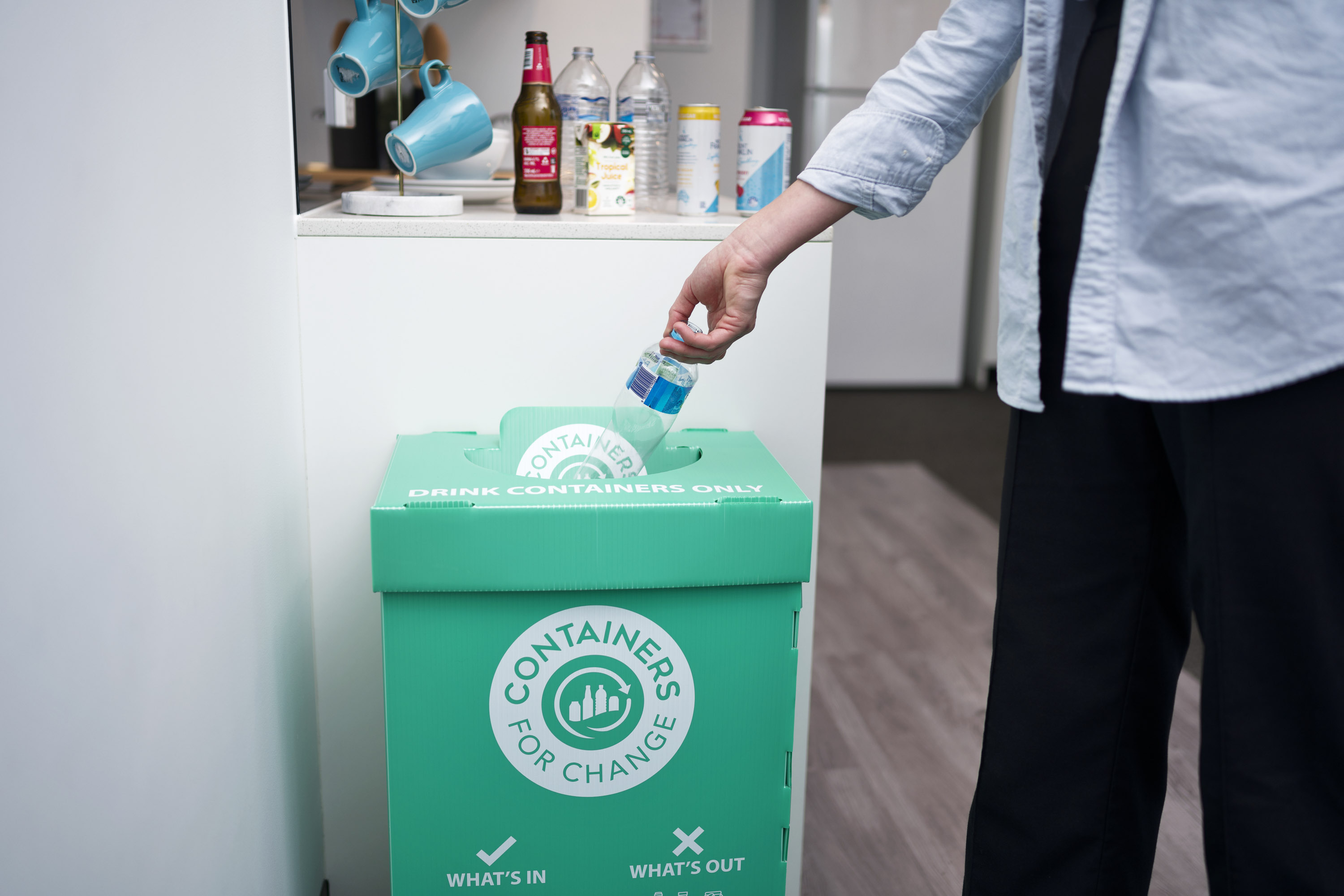
Keep the drink-container stream separate
Government facilities may have other waste and record-handling requirements that remain outside this service.
Put these in
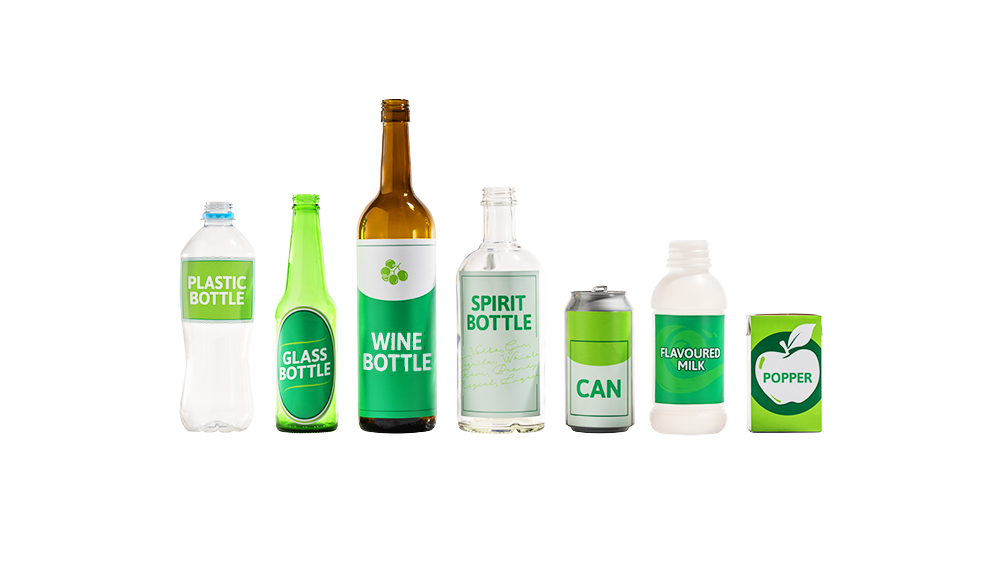
Empty, eligible cans, plastic and glass drink bottles, and cartons displaying the Queensland 10c refund mark.
Check the detailed eligibility guide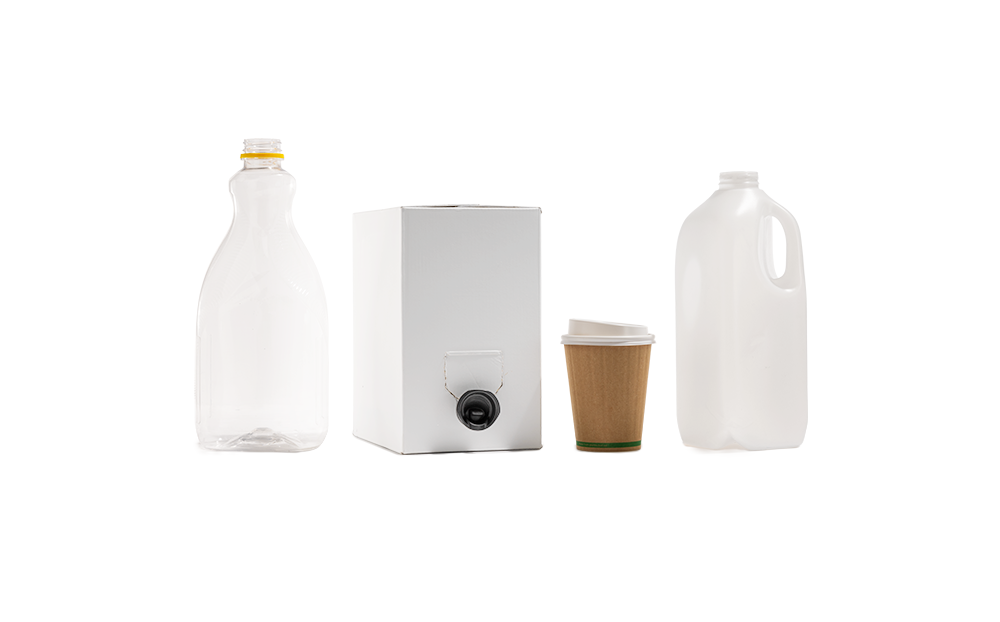
Keep these out
General rubbish, food, paper records, operational materials, regulated waste, broken glass and non-eligible packaging.
Use approved signs
Keep the message simple and consistent with the facility's communication process.
Brief service providers
Make sure cleaners and facilities staff know their agreed role.
Check public points
High-use public areas may need more frequent contamination checks.
Keep records separate
Sensitive documents and other workplace material never belong in the container stream.
Your facility setup
Agree only the records the site needs
We'll discuss site access, collection timing, bin options, recorded refunds and reporting with the authorised contact. A result at one facility is not approval for a whole department.
Procurement
Use the organisation's appropriate purchasing or contract pathway.
Facility scope
Record the participating address and areas instead of assuming wider coverage.
Refunds
Confirm how recorded value is handled under the approved arrangement.
Reporting
Ask for information that supports a defined operational or organisational need.
Questions about government workplace collections
Straight answers to common questions about setting up collections at a site like yours.
What do approved commercial collection partners receive?
How do we start, and who chooses the bins?
When will our containers be collected?
What if we already have a stockpile of eligible containers?
Can one government facility start on its own?
Can cleaners manage the internal collection?
What records can be provided?
Can public-area containers be included?
Does one site result represent the whole department?
Can more sites be added later?
Next step
Talk to us about your facility
Tell us which site is being considered, who is authorised to discuss it and how containers could reach a collection point.