
Healthcare container collections
Collections for healthcare facilities
Suitable staff rooms, administration areas and public cafes can take part without weakening clinical-waste controls. We'll work with your facilities or waste team to plan approved non-clinical collection and storage areas.
What your healthcare site receives
A separate stream for eligible drink containers
Use approved non-clinical areas and keep this collection completely separate from clinical and regulated waste.
Full 10c refund
Healthcare operators with an ABN or ACN, and registered charities, receive the full 10c for every eligible container.
Free bins and pickup
We recommend bins for approved staff or public areas. Agreed ongoing bins and pickup are free for approved partners.
Message at around 90%
Your authorised contact messages us when bins are around 90% full. Regular servicing is only discussed after collection history is available.
Protect clinical boundaries
Confirm approved source areas, trained internal handlers, secure storage and collection access during onboarding.
A careful, limited service
Your clinical procedures always come first
We collect an approved drink-container stream. We do not handle sharps, clinical waste or mixed material that may have come from a care environment.
Facilities or waste team
Identifies suitable areas, storage and the collection point.
Clinical governance
Confirms the areas and boundaries the facility requires.
Cleaning teams
Follow the site's existing procedures and only move an approved non-clinical stream.
Staff and visitors
Use clearly marked points in the areas the facility has approved.
Suitable areas
Keep collection in non-clinical spaces
The healthcare operator decides exactly where container collection is appropriate. Care and treatment areas are not assumed to be in scope.
Staff rooms
Ordinary meal and break areas can provide a controlled staff beverage stream.
Administration
Office kitchens and meeting areas may be suitable with site approval.
Public cafes
Food and beverage teams can separate containers within their normal service routine.
Visitor areas
Only include public spaces the facility can supervise and keep separate from clinical waste.
How it can work
An approved path away from clinical waste
The facility controls source areas and internal movement. Our collection starts only at the safe point agreed with the authorised team.
-
Approve the source areas
Name the specific non-clinical staff or public spaces in scope.
-
Use unmistakable signs
Keep the drink-container point separate from every clinical and regulated-waste system.
-
Site staff check and move
The facility brings suitable containers to secure non-clinical storage.
-
Collect from the safe point
We attend only the agreed facilities-controlled location.
Real-world result
What one aged-care facility returned
In under eight months of recorded collections, one aged-care facility returned over 4,500 eligible drink containers, representing over $450 in recorded refunds.
Recorded period: 1 January 2026 to 30 August 2026
Actual recorded returns for one participating account during the stated period. Collection dates may include containers accumulated earlier. Results vary with eligible container volume, site activity and collection arrangements; these examples are not sector averages or forecasts.
Healthcare boundary
Never mix this service with clinical waste
If material is uncertain, your facility's clinical, infection-control and waste procedures decide what happens. It should not be presented for container collection.
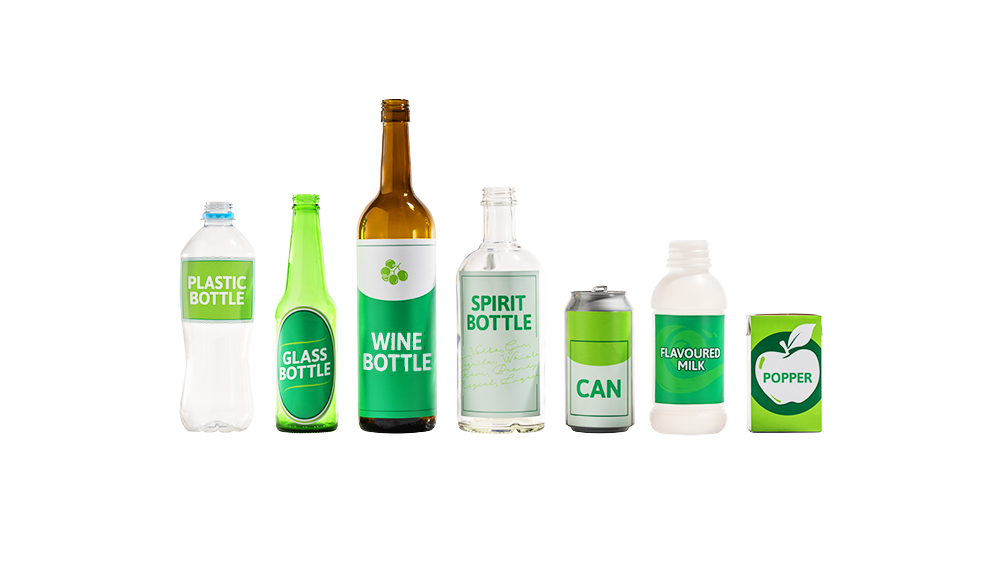
Put these in
Empty, eligible drink cans, bottles and cartons from the facility's approved non-clinical areas only.
Check the detailed eligibility guide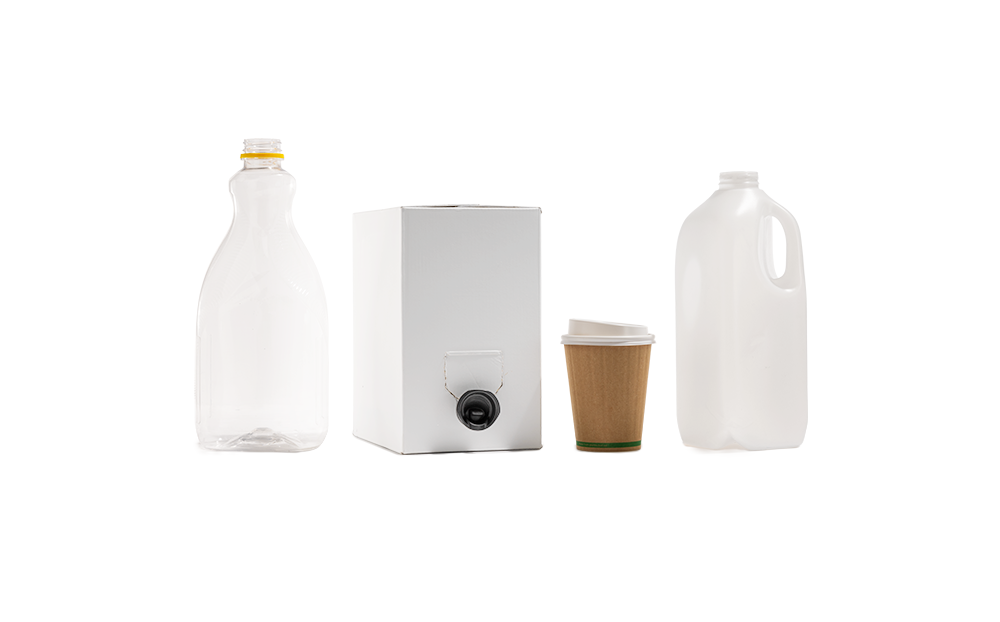
Keep these out
Sharps, medicines, ineligible pharmaceutical packaging, clinical or infectious waste, specimens, PPE, dressings, medical devices, chemicals, regulated waste and general rubbish.
No clinical sorting
Our team does not sort through material that may contain clinical or regulated waste.
Keep points separate
Do not place 10c collection points beside systems where the distinction could be unclear.
Use site-approved handling
Healthcare staff manage internal checks and movement under the facility's procedures.
Stop if contamination occurs
The facility should isolate and resolve any potentially clinical material before collection.
Your facility setup
Keep the commercial arrangement simple and safe
We'll discuss only the approved areas, secure storage, safe access, expected volume and the collection details your facility needs.
Facility approval
The authorised healthcare team confirms the exact non-clinical scope.
Safe access
Use approved visitor, contractor and collection procedures.
Refunds
Agree how recorded refund value is directed under the facility's arrangement.
Review
Recheck the setup when site layouts, waste procedures or approved areas change.
Questions about healthcare collections
Straight answers to common questions about setting up collections at a site like yours.
What do approved commercial collection partners receive?
How do we start, and who chooses the bins?
When will our containers be collected?
What if we already have a stockpile of eligible containers?
Can containers be collected from clinical areas?
Do you handle clinical waste or sharps?
Can staff rooms and public areas take part?
Who moves containers inside the facility?
What happens if the bin contains clinical material?
Why are the result figures shown as 'over'?
Next step
Talk to us about your facility
Share the approved non-clinical areas, the facilities or waste contact and the safe collection location. We'll discuss whether a suitable arrangement can be set up.