

Hospitality container collections
Collections that work around your venue
Running a busy venue is hard enough without another complicated waste process. We'll help set up a Containers for Change collection that fits your bar, kitchen, clearing and close-down routines.
What your venue receives
A collection routine that fits service
Separate eligible drink containers near the point of handling, then consolidate them safely back of house.
Full 10c refund
Venues with an ABN or ACN, and registered charities, receive the full 10c for every eligible container.
Free bins and pickup
We recommend bins for bars, clearing points and storage. Agreed ongoing bins and pickup are free for approved partners.
Message at around 90%
Contact us when bins are around 90% full. Regular servicing can be discussed later once normal trade and event volumes are clear.
Work around service
Share busy periods, laneway or loading access, storage limits and the staff contact responsible for handover.
Made for busy service
Add one easy step, not another burden
Restaurants, cafes, pubs, bars and function venues already have a rhythm for clearing and close-down. The collection should fit that rhythm.
Bar staff
Separate eligible containers where empties are already handled.
Floor teams
Keep food, cups and table waste out during clearing.
Kitchen and close-down
Move suitable containers to storage without mixing them with kitchen waste.
Venue manager
Owns storage, access, refund use and changes to the routine.
Around your venue
Capture containers where staff already touch them
The easiest collection point is usually close to the moment an empty bottle or can is cleared.
Bars
Compact points can sit alongside existing glass, rubbish and restocking routines.
Table clearing
Floor staff can separate eligible drinks before food waste reaches the kitchen.
Cafes and counters
Staff-facing points can capture takeaway drink containers returned to the counter.
Functions
Temporary event points need a clear owner at pack-down.
How it can work
Separate during service, collect from back of house
We plan around the venue's available space, trading hours and access instead of expecting service teams to follow a rigid template.
-
Choose service points
Place collection close to bars, clearing stations or other high-volume areas.
-
Keep the instruction simple
Show staff exactly which drink containers belong in the stream.
-
Check during close-down
Remove food, cups, straws and obvious rubbish before storage.
-
Collect from back of house
Use the laneway, loading or shared pickup point agreed with the venue.
Real-world result
What one restaurant returned
In under four months of recorded collections, one restaurant returned 3,508 eligible drink containers, representing $350.80 in recorded refunds.
Recorded period: 27 May 2026 to 30 August 2026
Actual recorded returns for one participating account during the stated period. Collection dates may include containers accumulated earlier. Results vary with eligible container volume, site activity and collection arrangements; these examples are not sector averages or forecasts.
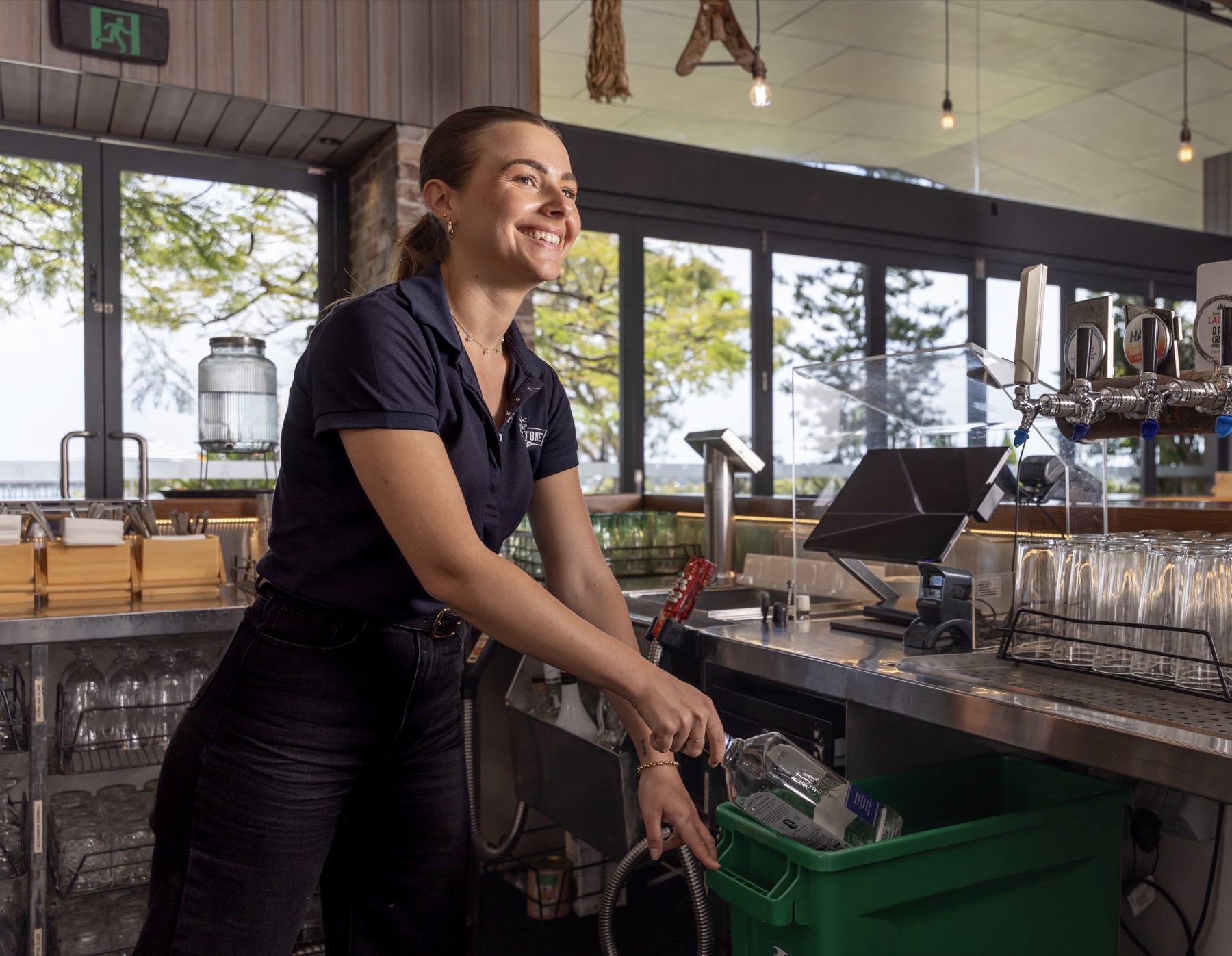
Keep service waste out
Drinks in, food and glassware out
Point-of-service separation and a quick close-down check protect the container stream without adding a separate sorting shift.
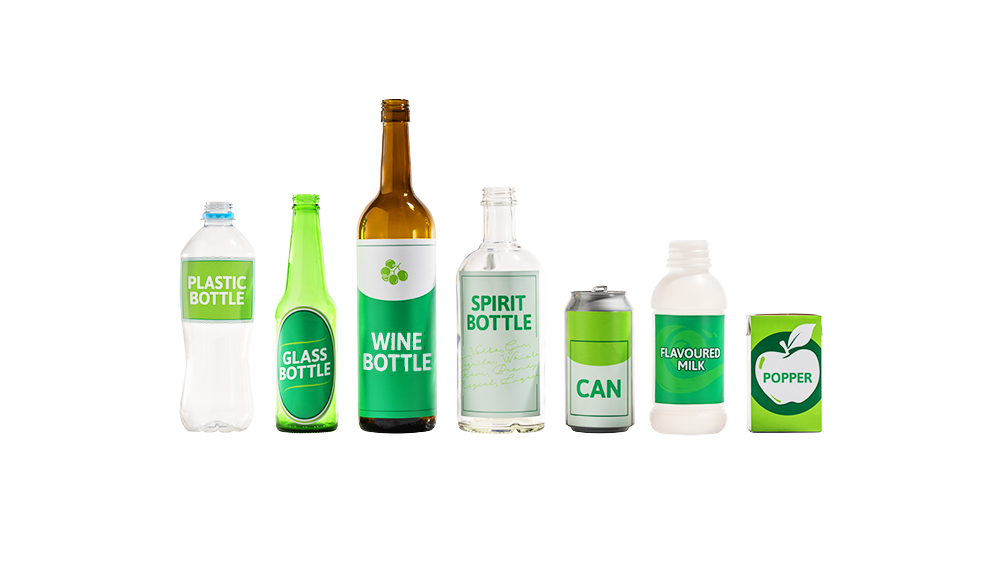
Put these in
Empty, eligible cans, plastic and glass drink bottles, and cartons carrying the Queensland 10c refund mark.
Check the detailed eligibility guide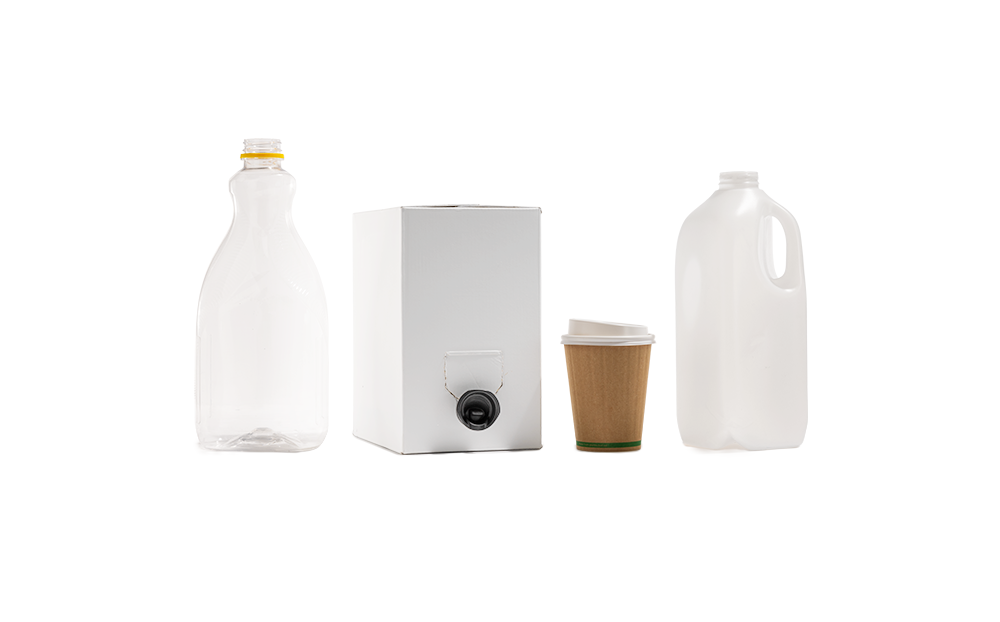
Keep these out
Food, coffee cups, glassware, straws, napkins, takeaway packaging, broken glass, cooking materials and general rubbish.
Match the workstation
Use a point that fits the space and the way staff already handle empties.
Empty liquids
Reduce spills and odour before containers move into storage.
Check function points
Temporary bins often need more attention during pack-down.
Keep storage workable
Do not block cool rooms, exits, deliveries or waste access.
Your venue setup
Plan for real trade and limited space
Collection timing, bin options and storage depend on your volume and access. We'll also confirm the refund destination and any collection information your venue needs.
Trading pattern
Share busy nights, quiet days and major function periods.
Back-of-house space
Choose a storage setup your team can keep clear and clean.
Access
Coordinate laneways, loading zones, gates and shared-property rules.
Refunds
Agree whether recorded refunds support the venue or an approved cause.
Questions about hospitality collections
Straight answers to common questions about setting up collections at a site like yours.
What do approved commercial collection partners receive?
How do we start, and who chooses the bins?
When will our containers be collected?
What if we already have a stockpile of eligible containers?
What hospitality venues can enquire?
Where should the collection points go?
Can function containers be included?
What if we have very little storage?
Can you collect from a laneway?
Next step
Let's make collections work around your venue
Tell us where the containers come from, where they could be stored and how we can access the site. We'll help shape a practical collection setup.