

Shopping centre collections
Collections for busy shopping centres
Food courts, tenants and public areas can produce a steady stream of 10c containers. We can help centre management build a collection routine around cleaners, waste arrangements and loading-dock access.
What centre management receives
Clear facts for a shared-site collection
Build the collection around tenants, cleaners, food courts and the centre's approved loading area.
Full 10c refund
Qualifying businesses with an ABN or ACN, and registered charities, receive the full 10c for every eligible container.
Free bins and pickup
We recommend bins for the approved centre areas. Agreed ongoing bins and commercial pickup are free for approved partners.
Start at 90% full
The centre contact messages us at around 90% full. Any regular servicing is considered later once actual centre volumes are known.
One workable handover
Confirm tenant roles, cleaning responsibilities, storage and loading-dock access before the collection begins.
Shared responsibility
Give every team a clear part
A centre-wide idea can fail if nobody knows who empties a point or checks contamination. Start with a defined area and spell out the role of each participant.
Centre management
Approves scope, communication, storage, access and how the refund will be used.
Tenants
Separate suitable drink containers in approved tenancy areas.
Cleaning teams
May move and check containers where that work is included in their agreed duties.
Dock and waste teams
Coordinate the final storage area with existing site services.
Across the centre
Treat public and tenant areas differently
A food-court bin faces different contamination risks from a controlled tenant point. The collection plan should reflect that difference.
Food courts
High drink volume may be matched by food, cups and takeaway packaging.
Beverage tenants
Back-of-house points can capture empties before they enter public waste bins.
Common areas
Public points need simple signs, visible placement and an agreed checking routine.
Staff facilities
Centre and tenant staff rooms may offer a lower-contamination starting point.
How it can work
Move containers through existing centre routines
We collect from the agreed centre location. The internal plan explains how containers get there from tenants and public areas.
-
Choose a defined starting area
Begin with the food court, selected tenants or another manageable part of the centre.
-
Set roles before launch
Confirm who empties, checks and moves each collection point.
-
Use one secure storage area
Keep suitable containers separate from general waste at the back of house.
-
Coordinate dock access
Plan the pickup with security, facilities and other service vehicles.
Real-world result
What one shopping centre returned
In under two months of recorded collections, one shopping centre returned 2,473 eligible drink containers, representing $247.30 in recorded refunds.
Recorded period: 21 July 2026 to 30 August 2026
Actual recorded returns for one participating account during the stated period. Collection dates may include containers accumulated earlier. Results vary with eligible container volume, site activity and collection arrangements; these examples are not sector averages or forecasts.
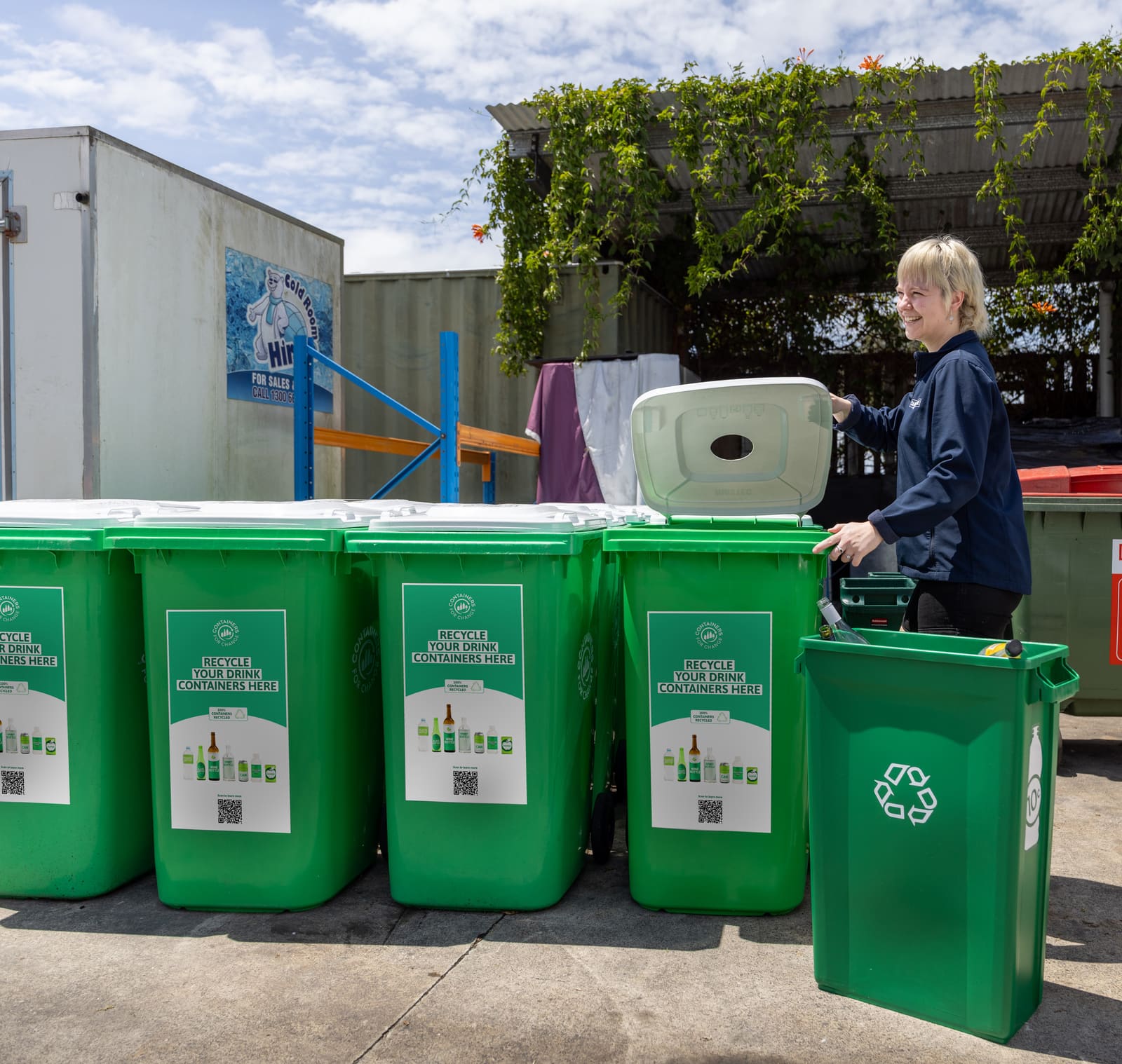
Contamination
Keep food-court rubbish out
Clear placement, cleaner involvement and quick feedback are especially important in public areas.
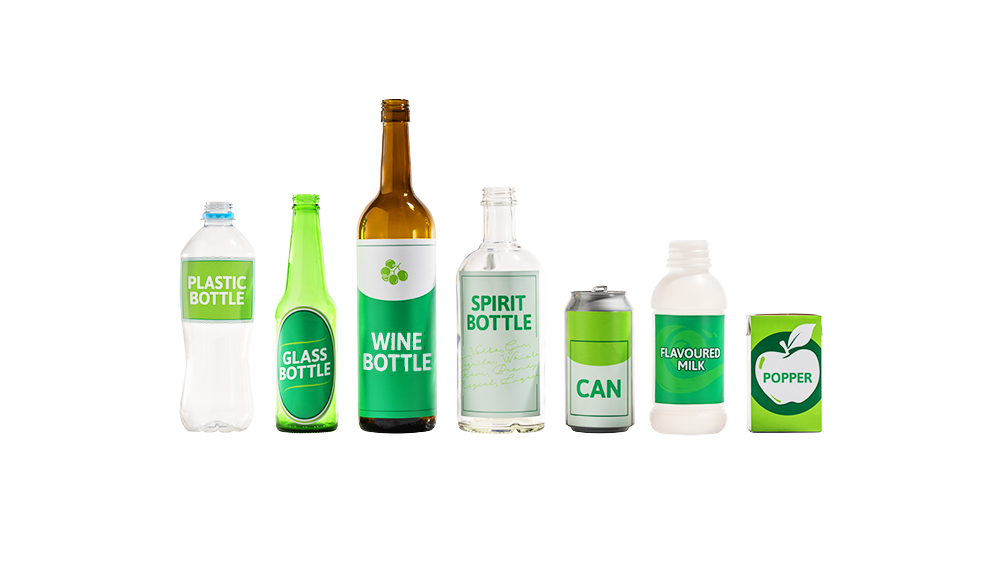
Put these in
Empty, eligible aluminium cans, plastic and glass drink bottles, and cartons with the Queensland 10c refund mark.
Check the detailed eligibility guide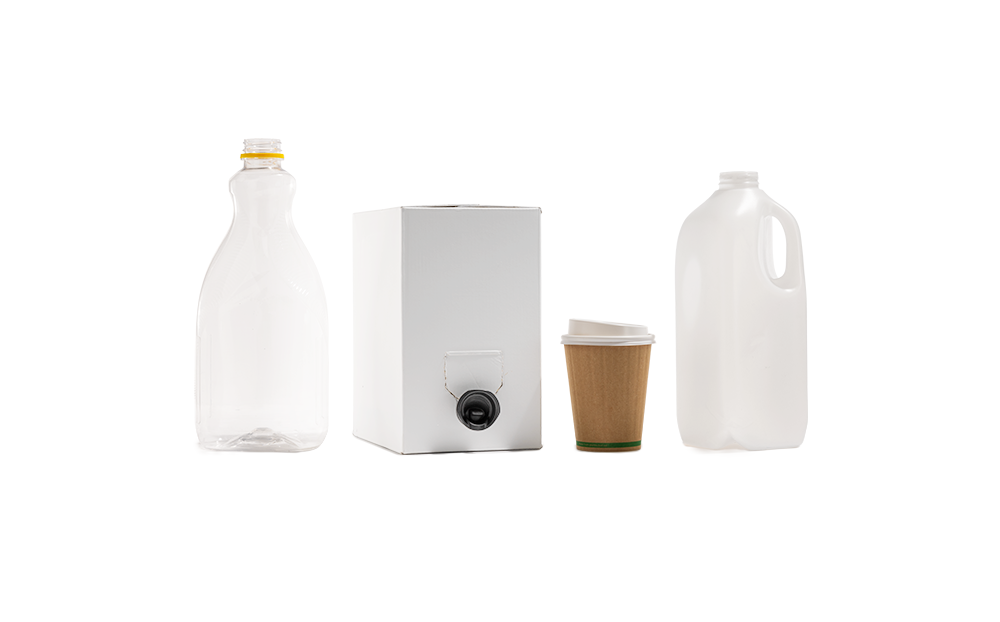
Keep these out
Food, coffee cups, takeaway packaging, cardboard, soft plastics, jars, broken glass and general rubbish.
Separate public points
Make the 10c container opening and message distinct from general recycling.
Brief participating tenants
Give tenant staff a short, practical instruction for their own area.
Check before consolidation
Remove obvious rubbish before material reaches the shared storage point.
Act on repeat problems
Change signs, placement or responsibility when one area keeps contaminating the stream.
Your centre setup
Start small enough to manage well
A pilot area can be a sensible first step. The final arrangement should cover participation, bins, internal movement, dock access, refund use and any agreed reporting.
Scope
List the tenants and common areas included at launch.
Existing contractors
Check cleaning and waste contracts before assigning new tasks.
Refunds
Centre management should approve how the recorded refund value is directed.
Review
Use early collection experience to decide whether more areas should be added.
Questions about shopping centre collections
Straight answers to common questions about setting up collections at a site like yours.
What do approved commercial collection partners receive?
How do we start, and who chooses the bins?
When will our containers be collected?
What if we already have a stockpile of eligible containers?
Can food-court containers be included?
Can individual tenants take part?
Who manages contamination?
Can you collect from a loading dock?
Does this replace our waste contractor?
Can we begin with one part of the centre?
Next step
Let's find a workable starting point
Tell us which tenants or common areas you want to include, who manages them and where containers could be stored. We'll help shape the next step.